Free Guide: How to Safely Buy, Store, and Insure Your Physical Gold
Jump to Section
Physical gold has served as the ultimate store of value for millennia. Unlike digital assets or paper currencies, gold possesses no counterparty risk—provided you have it in your physical possession or under a secure, legally-binding storage agreement. However, the transition from "interested buyer" to "secure owner" is fraught with potential pitfalls. This guide breaks down the essential steps to ensure your journey into precious metals is safe, profitable, and secure.
Vetting Gold Dealers and Avoiding Scams
The first step in safely buying gold is choosing where to spend your money. The precious metals industry is largely self-regulated, which makes due diligence vital. Avoid dealers who use high-pressure sales tactics or "limited time" deals that seem too good to be true.
When vetting a dealer, look for the following criteria:
- Longevity: Look for dealers with at least 5-10 years of operational history.
- Better Business Bureau (BBB) Rating: Aim for an A+ rating and read the nature of any complaints.
- Buyback Policy: A reputable dealer should always be willing to buy back the products they sell you at current market rates.
- Physical Address: Ensure the dealer has a verifiable physical office, not just a P.O. Box.
Be wary of "numismatic" or "rare" coin scams where dealers try to sell you graded coins at massive markups. For wealth preservation, focus on "bullion"—coins and bars valued primarily for their gold content, not their rarity.
How to Authenticate Your Physical Gold
Once your gold arrives, you must verify its authenticity. Counterfeits are becoming increasingly sophisticated, often using tungsten cores (which have a similar density to gold) plated in 24k gold. However, several non-destructive tests can give you peace of mind.
The Dimensions Test: Every standard bullion coin (like the American Eagle or South African Krugerrand) has specific, published diameters and thicknesses. Use a digital caliper to check these. If the weight is correct but the coin is too thick, it likely contains a cheaper, less dense metal.
The Ping Test: Gold has a unique, high-pitched resonance when struck gently. Using apps like "Coinlyze" can help you match the frequency of your coin to a known authentic sample.
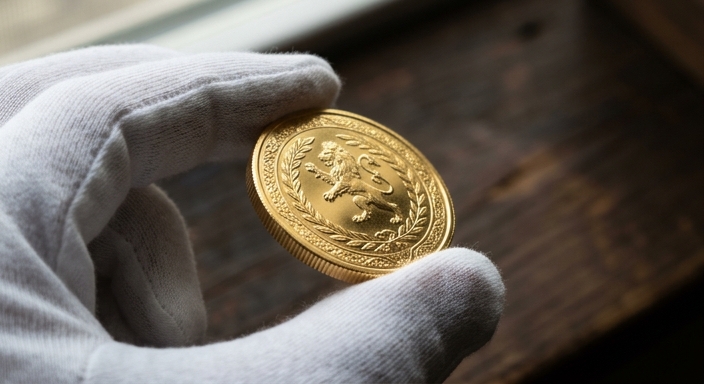
Electronic Testers: For serious investors, a Sigma Metalytics Precious Metal Verifier is the gold standard. It uses electromagnetic waves to see "through" the coin or bar to verify the metal's purity without damaging the piece.
Storage Solutions: Home vs. Professional Vaults
Where you keep your gold is a balance between accessibility and security. There are three primary options:
- Home Storage: Offers maximum privacy and 24/7 access. However, it requires a high-quality, UL-rated safe (TL-15 or TL-30 rated) that is bolted to the floor. "Hidden" safes are often better than obvious ones.
- Bank Safe Deposit Boxes: Often viewed as safe, but they come with risks. Banks do not insure the contents of safe deposit boxes, and access is restricted to bank hours. In rare cases of legal action or "bank holidays," your access could be frozen.
- Private Professional Vaults: These facilities (like Brink's or Delaware Depository) offer high-level security and are often located outside the traditional banking system. Ensure you choose "segregated storage," meaning your specific coins are kept separate from others, rather than "allocated storage" where you own a share of a generic pile.
Essential Insurance Strategies for Gold Owners
Many investors mistakenly believe their standard homeowner's insurance policy covers their gold. In reality, most policies have a "sub-limit" for precious metals, often as low as $1,000 to $2,500. If you have $50,000 in gold, a standard policy is insufficient.
To properly insure your gold, you generally have two paths:
- Scheduled Personal Property Rider: You can add a "rider" to your existing home insurance. You will need to provide an invoice or appraisal. This typically covers theft, fire, and sometimes "mysterious disappearance."
- Specialized Specie Insurance: Companies like Hugh Wood or Marsh specialize in insuring high-value collectibles and bullion. These policies are often more comprehensive and can be cheaper than standard insurance riders for large collections.
Always keep a digital and physical "inventory log" including photos, receipts, and serial numbers (for bars) in a separate location from the gold itself.
Privacy and Security Protocols
The greatest threat to your physical gold isn't usually a sophisticated cat burglar; it's "loose lips." The "Need to Know" principle is your best defense. Only your spouse or a trusted executor of your estate should know the location and existence of your gold.
When receiving shipments, ensure the dealer uses discreet packaging with no mention of "Gold," "Coins," or "Mint" on the outer label. Use a signature-required delivery service to ensure the package isn't left on a porch.
Finally, consider the legalities of transport. If you plan to move your gold across international borders, you must follow FinCEN and customs reporting requirements for values exceeding $10,000 to avoid seizure.
Frequently Asked Questions
Is it safe to buy gold online?
Yes, provided you use established dealers with insured shipping. Most major dealers insure the package until the moment you sign for it.
Should I tell my bank what is in my safe deposit box?
Generally, no. Banks do not require you to disclose the contents, and bank employees are not insured to handle or know about your bullion.
Does gold tarnish or lose value if handled?
Pure 24k gold does not tarnish, but it is very soft. Scratches on "proof" coins can reduce their resale premium, but the raw gold value remains the same.
Can I store gold in my IRA at home?
No. The IRS requires "Home Storage IRAs" to meet very strict structural requirements that are nearly impossible for individuals to satisfy. Most must use an approved third-party depository.