A Beginner’s Guide to Starting a Physical Gold Collection
Jump to Section
In an era of digital digits and fluctuating stock markets, the allure of physical gold remains as strong as ever. For thousands of years, gold has served as a primary store of value, a symbol of wealth, and a reliable hedge against economic uncertainty. Starting a physical gold collection is more than just a hobby; it is a step toward financial sovereignty and tangible asset ownership.
If you are new to the world of precious metals, the process can seem daunting. From understanding "fineness" to deciding between government-issued coins and private mint bars, there are several factors to consider. This guide is designed to simplify that journey, providing you with a clear roadmap to building a collection you can be proud of.
Why Start a Physical Gold Collection?
Before buying your first gram or ounce, it is important to understand why you are collecting. Physical gold offers unique advantages that paper assets simply cannot match:
- Tangibility: Unlike stocks or ETFs, physical gold is an asset you can hold in your hand. It cannot be "deleted" or rendered worthless by a computer glitch.
- No Counterparty Risk: Physical gold does not require a bank or a government to fulfill a contract for it to have value. Its value is intrinsic.
- Inflation Hedge: Historically, gold has maintained its purchasing power over long periods, making it an excellent shield against the devaluation of fiat currency.
- Liquidity: High-quality gold is recognized globally. Whether you are in New York, London, or Tokyo, gold can be converted into local currency relatively easily.
Understanding Gold Purity and Weight
Gold is measured differently than most household items. The two most important metrics you need to know are Purity and Troy Ounces.
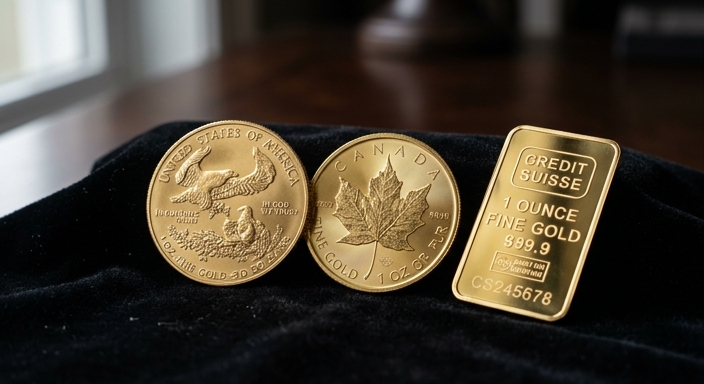
Purity: This is often expressed in Karats (k) or Fineness. 24-karat gold is considered pure gold (99.9% or higher). In the bullion world, you will often see ".999" or ".9999" stamped on bars and coins. Some famous coins, like the American Gold Eagle, are actually 22-karat (.9167 fine) because they are alloyed with copper and silver for durability, though they still contain exactly one troy ounce of pure gold.
Weight: The standard unit for precious metals is the Troy Ounce, which is approximately 31.1 grams. This is heavier than a standard "Avoirdupois" ounce (28.35 grams) used for food or mail. Always ensure you are calculating prices based on troy ounces.
Choosing Between Gold Coins and Bars
New collectors often struggle with the choice between coins and bars. Both have their merits, but they serve slightly different purposes.
Gold Bullion Coins: These are minted by sovereign governments and carry a face value (though their metal value is much higher). Examples include the American Eagle, Canadian Maple Leaf, and South African Krugerrand. They are highly liquid and harder to counterfeit due to intricate designs.
Gold Bars: These are produced by private refineries like PAMP Suisse or Valcambi. Bars generally have lower "premiums" (the markup over the spot price of gold) because they are simpler to manufacture. They are ideal for investors who want to accumulate the maximum amount of gold for the lowest price.
Where to Buy Physical Gold Safely
Safety is paramount when buying gold. You generally have two main options:
Local Coin Shops (LCS): These offer the benefit of immediate possession and the ability to build a relationship with a local expert. However, their inventory may be limited, and their premiums might be higher than online giants.
Online Dealers: Reputable online dealers often have the best selection and most competitive pricing. When buying online, look for established companies with high ratings from the Better Business Bureau (BBB) and transparent shipping insurance policies.
Regardless of where you buy, always verify the dealer’s reputation and never buy from "too good to be true" ads on social media marketplaces.
How to Store and Protect Your Gold
Once you own gold, you are responsible for its security. There are three common ways to store your collection:
- Home Safes: A high-quality, fire-rated safe bolted to the floor is a popular choice. It provides 24/7 access but requires you to maintain "OPSEC" (Operational Security)—meaning you shouldn't tell people you have gold at home.
- Bank Safe Deposit Boxes: These offer high security but limited access hours. Note that contents of safe deposit boxes are generally not insured by the bank or the FDIC.
- Private Depositories: For larger collections, professional vaulting services offer maximum security and specialized insurance. This is the most expensive option but offers the highest peace of mind.
Essential Tools for Gold Collectors
As your collection grows, you may want to invest in a few basic tools to help you verify and maintain your gold:
- Digital Scale: A scale that measures in grams and troy ounces to 0.01 accuracy.
- Calipers: To measure the diameter and thickness of coins against official specifications.
- Cotton Gloves: To prevent oils from your skin from smudging or affecting the finish of proof or high-grade coins.
- The "Ping" Test App: Software that listens to the resonance of a coin to ensure it matches the acoustic profile of real gold.
Frequently Asked Questions
What is the best gold for a beginner to buy?
For most beginners, government-issued bullion coins like the American Gold Eagle or Canadian Gold Maple Leaf are the best start. They are highly liquid, widely recognized, and easy to verify.
How much gold should I start with?
There is no minimum, but many collectors start with fractional ounces (1/10 oz or 1/4 oz) to stay within budget, or a single 1 oz coin if funds allow.
Is physical gold better than gold stocks?
Physical gold provides a tangible asset with no counterparty risk, whereas gold stocks are dependent on mining company management and market performance.
Where is the safest place to store gold?
Safety depends on preference. A high-quality home safe is common for small collections, while professional private depositories offer the highest security for larger holdings.